Home · Famous blizzards
The record
Famous blizzards
Three sourced storms, and one famous snowstorm that this site keeps to one side as a contrast. Period photographs are credited on the page and in the credits list.
Choose a storm. The same figures stay in the table below, so the desk is a clearer view of the record, not a different one.
The Children’s Blizzard, 12 January 1888
National Weather Service Heritage records that 12 January 1888 started, on several accounts from the northern Plains, as a surprisingly beautiful, mild day, with temperatures well above freezing. [NWS HERITAGE] Within a few hours, it says, temperatures plummeted as low as −40 °F and icy winds ripped through the air at almost 60 miles per hour. [NWS HERITAGE] In the whiteout, the Heritage essay says, between 250 and 500 people perished. The storm was nicknamed “The Children’s Blizzard”, and many of the dead were children on their walk home from school. [NWS HERITAGE]
Homestead National Historical Park says the blizzard hit on 12 January 1888, catching people off-guard on an otherwise pleasant winter day, and that it is also known as the Schoolhouse Blizzard or the Schoolchildren’s Blizzard. [NPS] The Park Service says that, in the end, the storm took between 200 and 300 lives, many of them children — a narrower range than the 250 to 500 given in the NWS Heritage essay, so this site reports both figures with their sources. [NPS]
The Heritage essay says the failure of the Signal Service to issue a “Cold Wave Warning” for the two calamitous blizzards of 1888 became a motivating factor for moving the meteorological service out of the War Department, and that legislation creating the Weather Bureau under the Department of Agriculture was signed by President Benjamin Harrison on 1 October 1890. [NWS HERITAGE]
The Great Blizzard of March 1888
The Heritage essay says the weekend of 10 March 1888 started rather pleasantly in the Northeast, with early spring weather, but that by Sunday afternoon the temperature had suddenly dropped and rain began to fall. [NWS HERITAGE] Come Monday morning, it says, the rain changed to snow and the warm breezes transformed into powerful gusts of at least 50 miles per hour; snowfall amounts reached 40 to 50 inches, with snow drifts between 30 and 40 feet deep. [NWS HERITAGE] The storm cut off and immobilised East Coast cities, affecting one quarter of the U.S. population. The Heritage essay says more than 400 people died from this storm, 200 in New York City alone, and that more than 200 vessels were destroyed up and down the eastern seaboard, resulting in the death of 100 seamen. [NWS HERITAGE]
The National Weather Service Baltimore/Washington office says the Blizzard of ’88 was also known as the White Hurricane, and that by the storm’s end New York was buried under 21 inches of snow, with the wind roaring at 35 mph and gusts up to 75 mph blowing drifts to 20 feet deep. [NWS BALT/WASH] In Washington, that office records, the storm began on the morning of 11 March, and on the morning of the 12th people found a half foot of snow and ice blanketing the city, with winds up to 48 mph. [NWS BALT/WASH]
The Armistice Day Storm, 11 November 1940
The National Weather Service office in La Crosse, Wisconsin, says that 11 November 1940 — Armistice Day, later Veterans Day — began with blue skies and temperatures in the 40s and 50s, and that the morning forecast was for colder temperatures and a few flurries. [NWS LA CROSSE] The day was so nice, that office says, that duck hunters dressed in short-sleeved shirts rushed to the marshes along the Mississippi River early that morning. [NWS LA CROSSE] During the late morning and early afternoon a strong cold front moved through; rain turned to sleet and then to driving snow, and the temperature plunged to the single digits by the next morning. [NWS LA CROSSE]
The greatest snow total recorded by that office was 26.6 inches in Collegeville, Minnesota, with 30 to 50 mph winds causing considerable blowing and drifting, and twenty-foot drifts reported near Willmar, Minnesota. [NWS LA CROSSE] The La Crosse office says the blizzard left 49 dead in Minnesota, gales on Lake Michigan caused shipwrecks resulting in another 59 deaths, and the storm claimed a total of 154 lives, as well as killing thousands of cattle in Iowa and more than a million turkeys in Wisconsin, Minnesota and other states. [NWS LA CROSSE] The storm became known as the Armistice Day Storm. [NWS LA CROSSE]
This storm, along with a slow-moving blizzard in mid-March 1941, caused the Weather Bureau to rethink its forecasting procedures: responsibilities that had been directed by the Chicago office were distributed to regional centres. [NWS LA CROSSE] The National Weather Service Chicago office, drawing on the La Crosse review, records that three steamers sank off Pentwater, near Ludington, Michigan, with the loss of 33 lives on the William B. Davock, 24 on the Anna C. Minch, and 2 on the Novadoc, and that there were 59 fatalities on Lake Michigan due to the storm. [NWS CHICAGO]
The Knickerbocker Storm, 28 January 1922 — a contrast
The National Weather Service Baltimore/Washington office records that 28 January 1922 brought the deepest snow of that century to parts of Virginia, with 19 inches at Richmond, 28 inches in Washington, D.C., and 25 inches in Baltimore. [NWS BALT/WASH] The weight of the snow was too much for the Knickerbocker Theater on 18th Street and Columbia in Northwest Washington, D.C.: the roof collapsed, taking the balcony down with it and crushing nearly 100 people to death. [NWS BALT/WASH] The storm is known historically, that office says, as the Knickerbocker Storm. [NWS BALT/WASH]
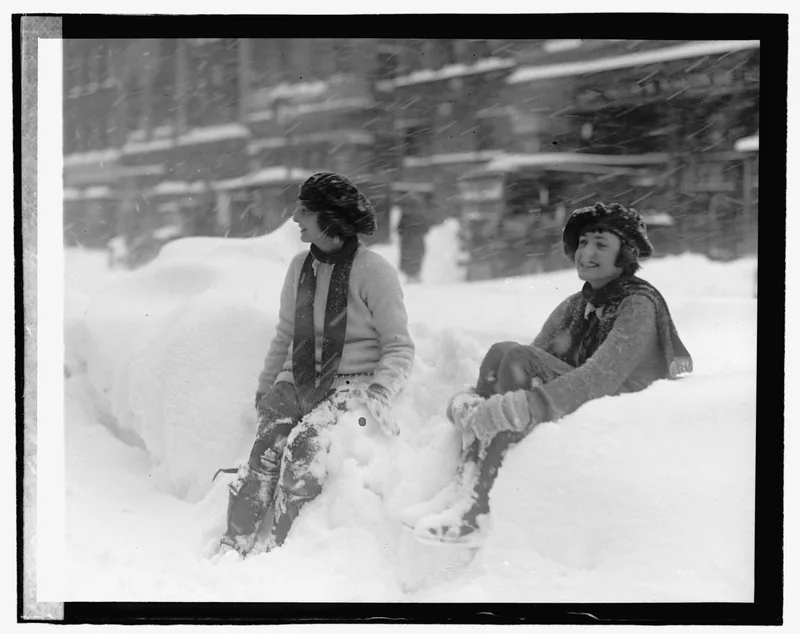
This site includes the storm as a check against a common mix-up: a historic deep snowfall is not automatically a blizzard in the official National Weather Service sense. The Baltimore/Washington office records it as a snowstorm remembered for the theatre collapse.
| Storm | What the record says |
|---|---|
| Children’s, 12 Jan 1888 | NWS Heritage: a mild Plains morning, then −40 °F and winds near 60 mph; 250–500 dead. NPS: also called the Schoolhouse Blizzard; 200–300 lives. |
| Great Blizzard, March 1888 | NWS Heritage: 40–50 inches in places, drifts 30–40 feet; more than 400 dead, 200 in New York City. Also called the White Hurricane. |
| Armistice Day, 11 Nov 1940 | NWS La Crosse: a mild morning, then a cold front and driving snow; 154 lives, including 59 on Lake Michigan. |
| Knickerbocker, 28 Jan 1922 | NWS Baltimore/Washington: 28 inches in Washington, D.C.; the Knickerbocker Theater roof collapsed, killing nearly 100. Recorded as a historic snowstorm, not as a modern blizzard warning. |
The Children’s Blizzard
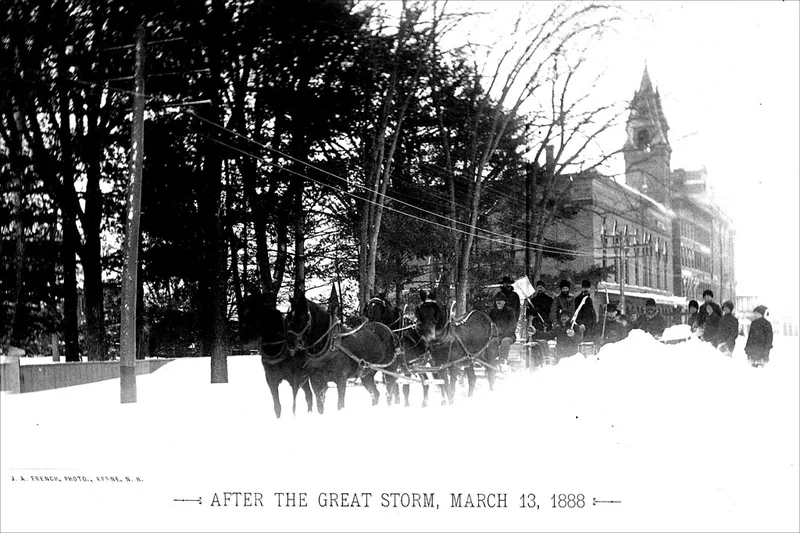
National Weather Service Heritage records that 12 January 1888 started, on several accounts from the northern Plains, as a surprisingly beautiful, mild day, with temperatures well above freezing. [NWS HERITAGE] Homestead National Historical Park says the blizzard hit on 12 January 1888, catching people off-guard on an otherwise pleasant winter day, and that it is also known as the Schoolhouse Blizzard or the Schoolchildren’s Blizzard. [NPS] Within a few hours, it says, temperatures plummeted as low as −40 °F and icy winds ripped through the air at almost 60 miles per hour. [NWS HERITAGE] In the whiteout, the Heritage essay says, between 250 and 500 people perished. The storm was nicknamed “The Children’s Blizzard”, and many of the dead were children on their walk home from school. [NWS HERITAGE] The Park Service says that, in the end, the storm took between 200 and 300 lives, many of them children — a narrower range than the 250 to 500 given in the NWS Heritage essay, so this site reports both figures with their sources. [NPS]
The Heritage essay says the failure of the Signal Service to issue a “Cold Wave Warning” for the two calamitous blizzards of 1888 became a motivating factor for moving the meteorological service out of the War Department, and that legislation creating the Weather Bureau under the Department of Agriculture was signed by President Benjamin Harrison on 1 October 1890. [NWS HERITAGE] The Park Service likewise says this weather event led, in part, to the creation of the United States Weather Bureau in 1890. [NPS]
The Great Blizzard of 1888
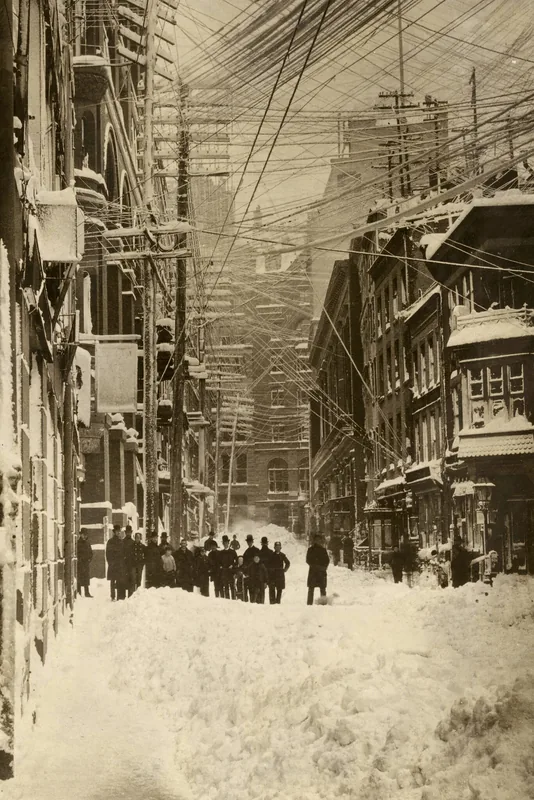
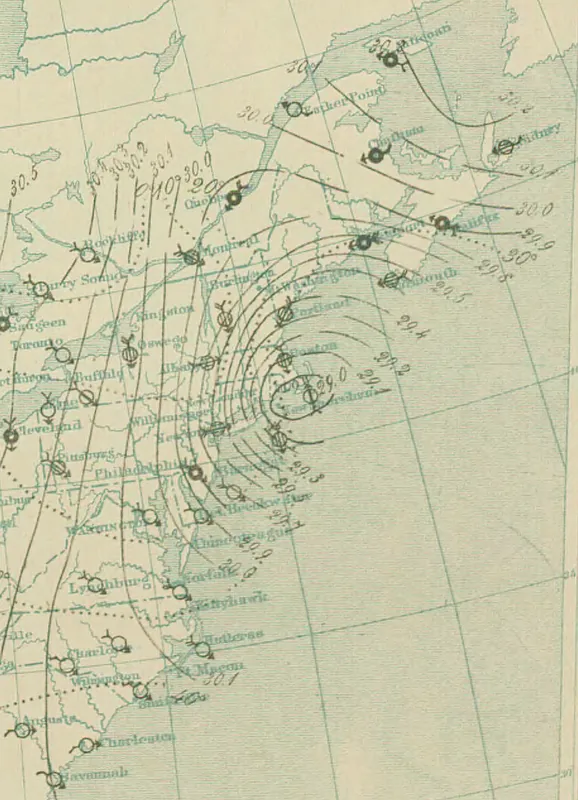
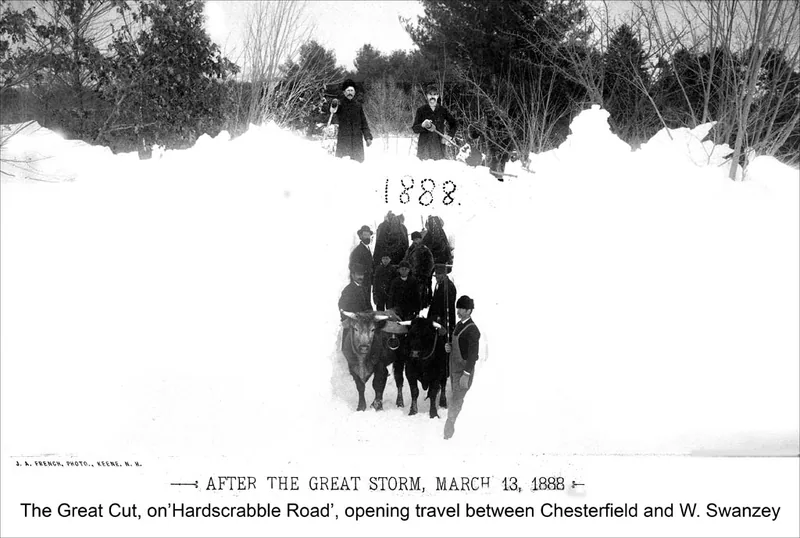
The Heritage essay says the weekend of 10 March 1888 started rather pleasantly in the Northeast, with early spring weather, but that by Sunday afternoon the temperature had suddenly dropped and rain began to fall. [NWS HERITAGE] Come Monday morning, it says, the rain changed to snow and the warm breezes transformed into powerful gusts of at least 50 miles per hour; snowfall amounts reached 40 to 50 inches, with snow drifts between 30 and 40 feet deep. [NWS HERITAGE] The storm cut off and immobilised East Coast cities, affecting one quarter of the U.S. population. The Heritage essay says more than 400 people died from this storm, 200 in New York City alone, and that more than 200 vessels were destroyed up and down the eastern seaboard, resulting in the death of 100 seamen. [NWS HERITAGE]
The National Weather Service Baltimore/Washington office says the Blizzard of ’88 was also known as the White Hurricane, and that by the storm’s end New York was buried under 21 inches of snow, with the wind roaring at 35 mph and gusts up to 75 mph blowing drifts to 20 feet deep. [NWS BALT/WASH] In Washington, that office records, the storm began on the morning of 11 March, and on the morning of the 12th people found a half foot of snow and ice blanketing the city, with winds up to 48 mph. [NWS BALT/WASH]
Well-known nor’easters listed by the Service include the Blizzard of 1888, the “Ash Wednesday” storm of March 1962, the New England Blizzard of February 1978, the March 1993 “Superstorm”, and the Boston snowstorms of January and February 2015. [NWS NOR'EASTER]
The Armistice Day Storm
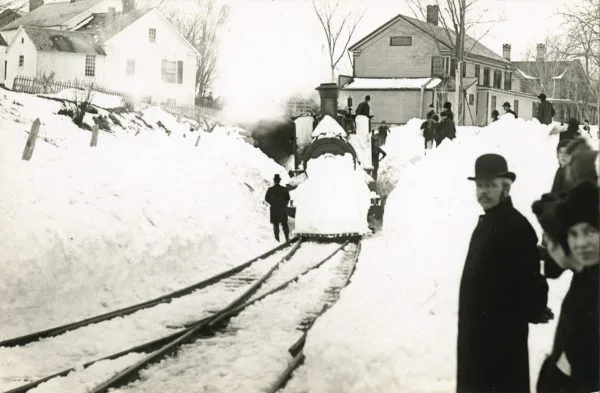
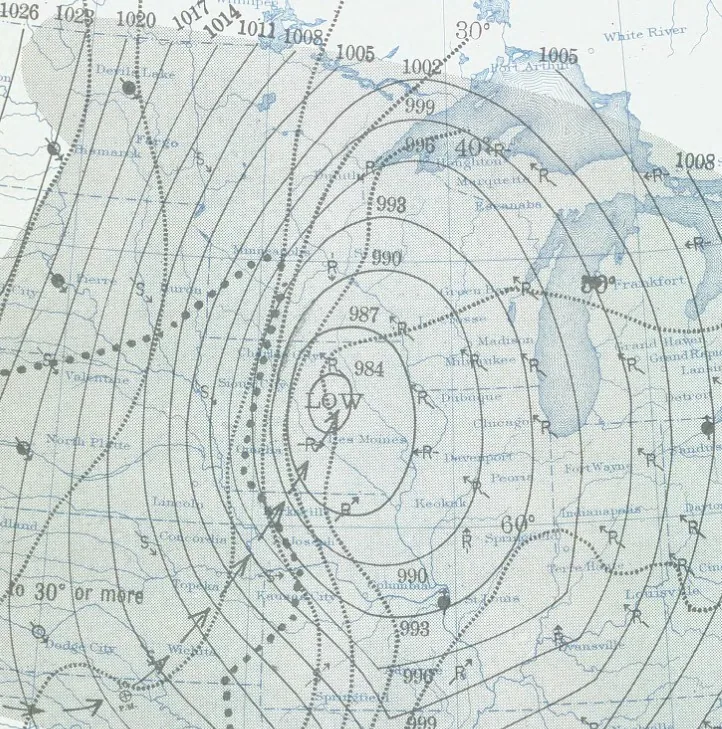
The National Weather Service office in La Crosse, Wisconsin, says that 11 November 1940 — Armistice Day, later Veterans Day — began with blue skies and temperatures in the 40s and 50s, and that the morning forecast was for colder temperatures and a few flurries. [NWS LA CROSSE] The day was so nice, that office says, that duck hunters dressed in short-sleeved shirts rushed to the marshes along the Mississippi River early that morning. [NWS LA CROSSE] During the late morning and early afternoon a strong cold front moved through; rain turned to sleet and then to driving snow, and the temperature plunged to the single digits by the next morning. [NWS LA CROSSE] The greatest snow total recorded by that office was 26.6 inches in Collegeville, Minnesota, with 30 to 50 mph winds causing considerable blowing and drifting, and twenty-foot drifts reported near Willmar, Minnesota. [NWS LA CROSSE] The La Crosse office says the blizzard left 49 dead in Minnesota, gales on Lake Michigan caused shipwrecks resulting in another 59 deaths, and the storm claimed a total of 154 lives, as well as killing thousands of cattle in Iowa and more than a million turkeys in Wisconsin, Minnesota and other states. [NWS LA CROSSE] The storm became known as the Armistice Day Storm. [NWS LA CROSSE]
This storm, along with a slow-moving blizzard in mid-March 1941, caused the Weather Bureau to rethink its forecasting procedures: responsibilities that had been directed by the Chicago office were distributed to regional centres. [NWS LA CROSSE] The National Weather Service Chicago office, drawing on the La Crosse review, records that three steamers sank off Pentwater, near Ludington, Michigan, with the loss of 33 lives on the William B. Davock, 24 on the Anna C. Minch, and 2 on the Novadoc, and that there were 59 fatalities on Lake Michigan due to the storm. [NWS CHICAGO]
A deep snow that is not automatically a blizzard
The National Weather Service Baltimore/Washington office records that 28 January 1922 brought the deepest snow of that century to parts of Virginia, with 19 inches at Richmond, 28 inches in Washington, D.C., and 25 inches in Baltimore. [NWS BALT/WASH] The weight of the snow was too much for the Knickerbocker Theater on 18th Street and Columbia in Northwest Washington, D.C.: the roof collapsed, taking the balcony down with it and crushing nearly 100 people to death. [NWS BALT/WASH] The storm is known historically, that office says, as the Knickerbocker Storm. [NWS BALT/WASH]